
The Accountability Paradox
How High-Achievers Build Emotional Intelligence

Introduction: The Accountability Paradox
High-achievers often excel at professional responsibility, yet many struggle with emotional accountability in their intimate lives. In boardrooms and operating rooms, high-achievers excel at taking responsibility. They own mistakes, deliver results, and hold themselves to sky-high standards. Yet in intimate relationships, these same individuals often hit a wall. Why? Because emotional accountability—the art of owning your impact in a relationship—is a different skill set entirely. This paradox leaves many successful professionals confused: “Why can I lead a team of 100, but not resolve an argument with my partner?” The truth is, your professional strengths can become liabilities in personal dynamics—unless you learn to reorient them. The key? Learning to "own your side of the street."This guide helps you turn your professional strengths into relational wisdom.
The reason we are high-achievers, is the reason it is so hard to maintain communication and intimacy in our relationships. Our attachment style and negative narrative directly effect our ability to be emotionally present. Many high-achieving professionals have anxious and avoidant attachment styles that reinforce a narrative of feeling a burden and hating obligation while expressing fear of failing.
Our brain will create over 2000 feedback loops to keep us in these narratives and push our personal relationships away; while hyper focusing on work to avoid emotional entanglements. Let’s explore further the key steps that hold us into poor relationship dynamics and how to get out of them.
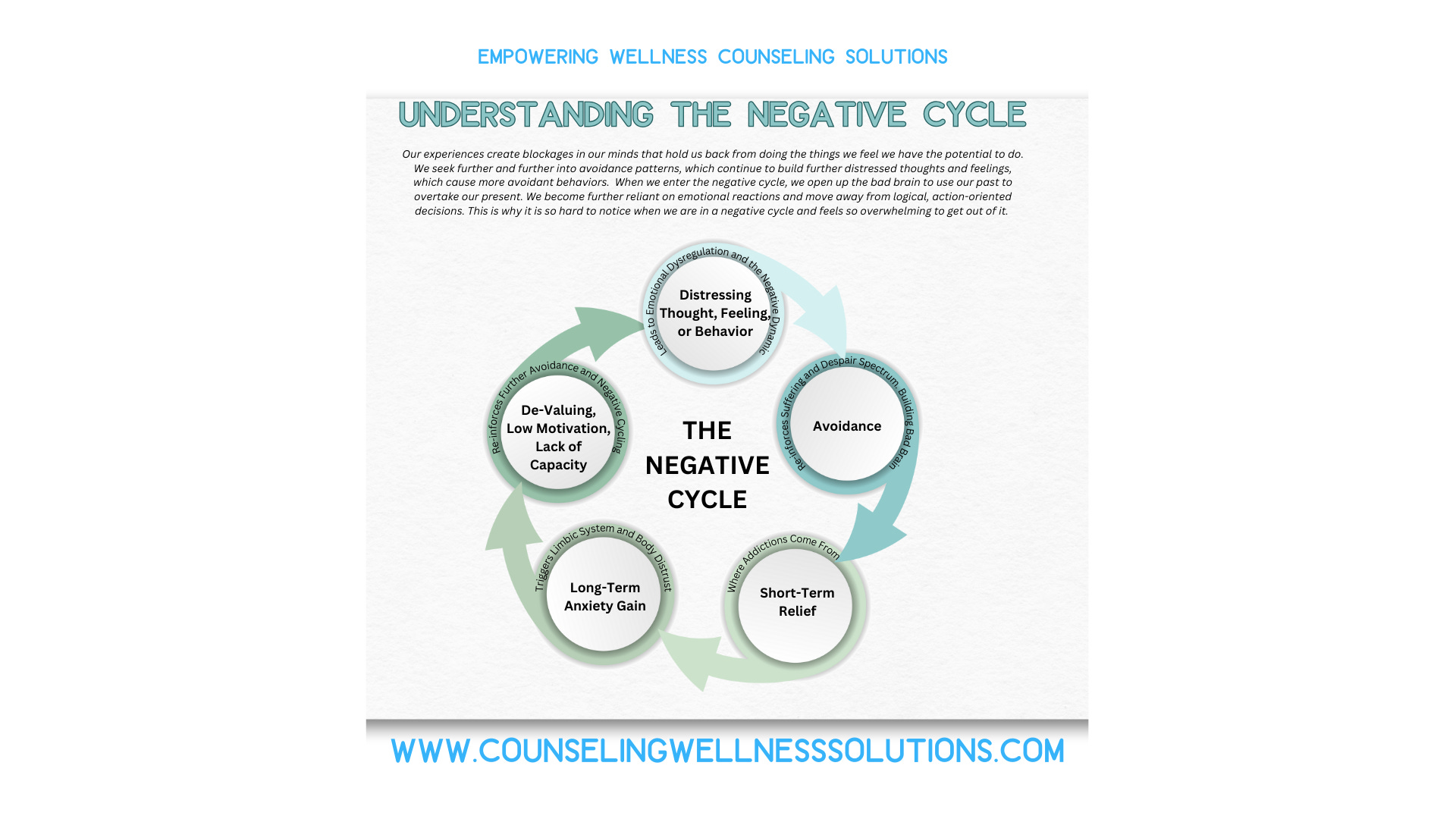
1. The Bad Brain Connection: Understanding Your Wiring
Insight: Your brain’s emotional reactions are often shaped by early experiences. This allows us to realize that behavior is predictable. Understanding these patterns helps remove our ability to get triangulated into toxic or unhealthy situations.
Self-Assessment Questions:
Do I become defensive or withdrawn when I feel criticized?
Do I repeat emotional patterns in different relationships?
Are my reactions bigger than the situation requires?
Action Step: Reflect on one emotional reaction you’ve had recently. Connect to the Karpman Drama Triangle- Did oyou feel your were asked to be the victim, persecuter, or rescuer?
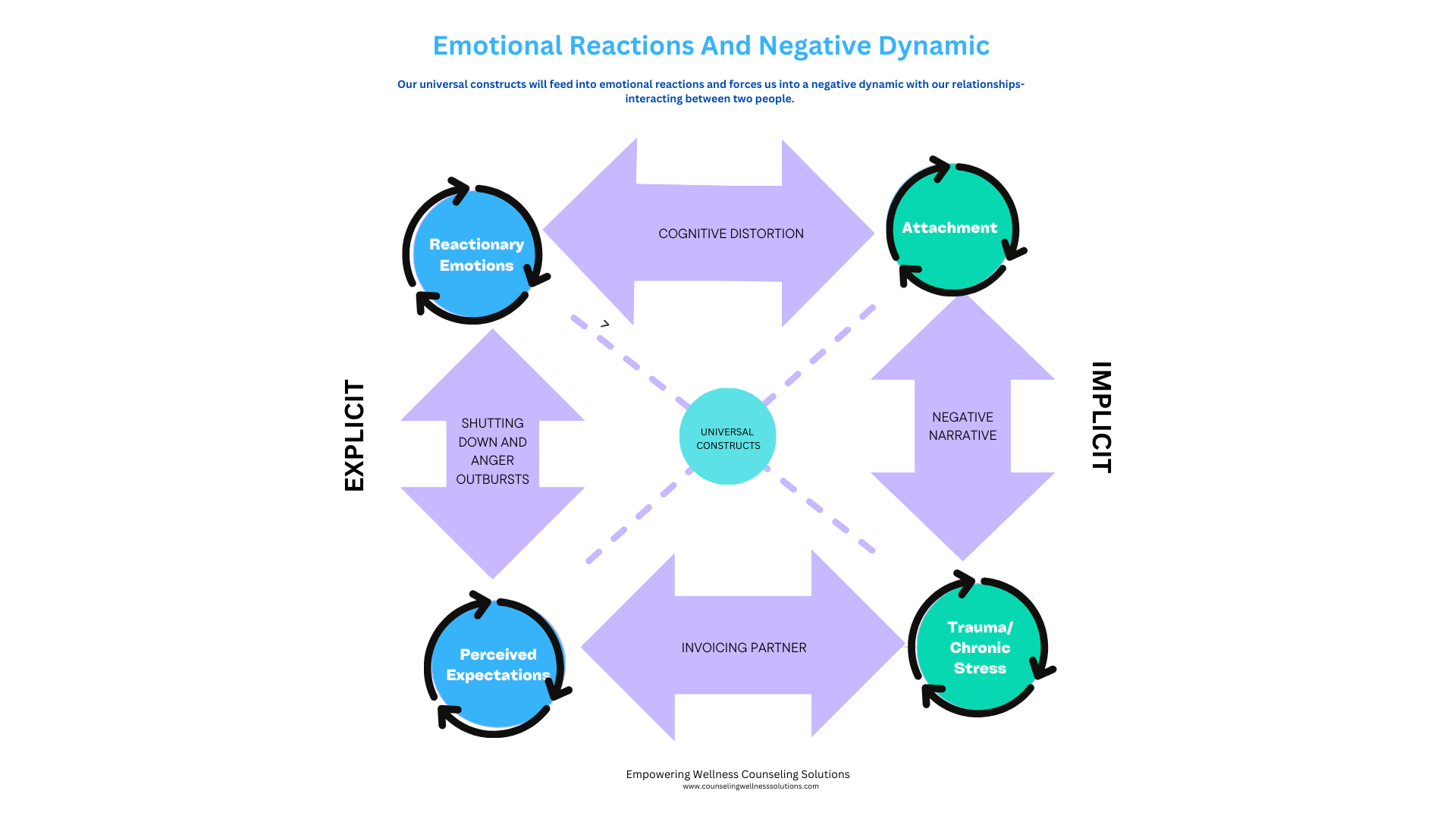
2. Universal Constructs in Relationships
The distressing thought/feeling/belief from above in bad brain thinking is what builds the negative dynamic. In the center of this dynamic is our universal construct. We all have 5 needs in life: To be seen/heard, belong, feel safe/secure, connect to agency, and have value. The way we order these needs, prevent from disrupting these needs, protect ourselves from threats, and defend when attacked are so vastly different, it is what make it so hard to interact with others. Let’s look at some key patterns.
Key Patterns:
Pursuer-Distancer Cycle
Misaligned Expectations
Communication Breakdowns
When these patterns ignite, we are in defense mode. We are no longer seeing things clearly, instead we are using language like, “its not what you said but how you said it,” or “always” and “never” statements.
