
The Relationship Paradox
Why High-Achieving Professionals Struggle at Home—and What to Do About It

Success in the boardroom doesn’t always translate to success at the dinner table. You’ve built a business, led a team, hit your goals—and yet, at home, connection feels elusive. Many high-achieving professionals find themselves blindsided by the contrast: career thriving, relationship surviving. It’s not for lack of intelligence, ambition, or even love. The disconnect often lies in the assumptions we make about what should work.
Traditional relationship advice tends to fall flat for professionals who are used to structure, strategy, and measurable results. The good news? The same skills that make you successful at work can be adapted to make you a better partner. You don’t need to start from scratch—you need to translate your strengths and leadership style.
A major contributor in leadership and successful relationships are the ability to be intentional in action, zoom out to bigger picture, and find calm under pressure. These key skills will help you to find a balance in the boardroom and at home while making your partner feel, valued, seen and heard. Let’s explore further.
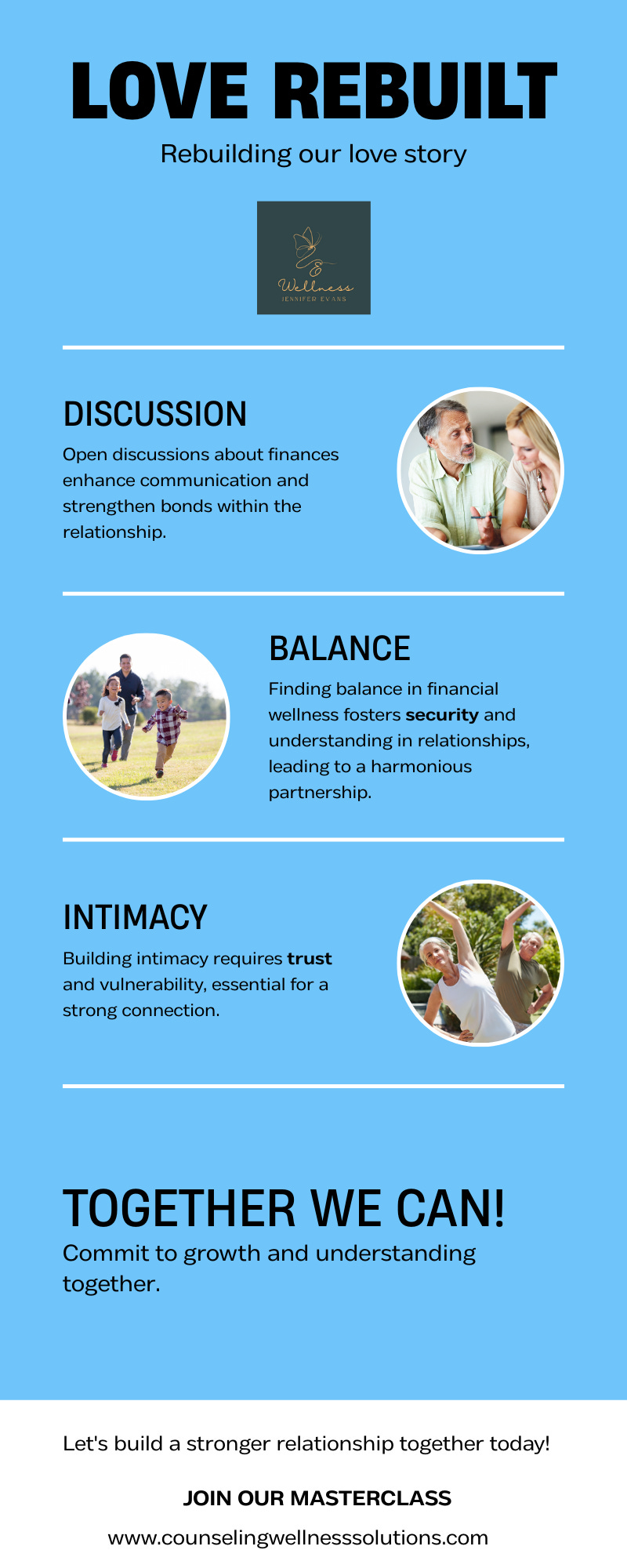
1. Relationship Intelligence: The Next Professional Edge
We’ve long known about emotional intelligence (EQ) as a key predictor of workplace success. But fewer talk about relationship intelligence—the set of interpersonal, emotional, and strategic skills that drive healthy, connected partnerships.
Relationship intelligence is not just about being “nice” or “understanding.” It’s a set of learnable, actionable skills: attunement, self-awareness, boundary-setting, emotional regulation, and feedback integration. Like any high-performance metric, it improves with training, feedback, and commitment.
In your professional life, you likely approach challenges with curiosity, problem-solving, and growth mindset. It’s time to bring that same mindset to your personal relationships.
