
The Wind-Dancers
How Our Minds Seek Storm and Stillness

From the Cultivating Mental Blooms Series
There is something profound about watching trees in wind. They sway and bend, their branches reaching into invisible currents, dancing with forces we cannot see but know intimately through their movement. The tree becomes a translator of the unseen—making visible the breath of the world, the restless energy that surrounds us always.
Our minds are not unlike these wind-dancers. They too reach into invisible currents, seeking something we cannot name but recognize in its effects. We call it many things: stimulation, novelty, challenge, change. But perhaps what we're really witnessing is the brain's ancient dialogue between chaos and calm—its simultaneous hunger for disturbance and its deeper longing for peace.
The Paradox of Seeking Storm
Watch your own mind for a moment. Notice how it gravitates toward complexity, toward problems to solve, toward the next notification, the next conversation, the next small crisis to navigate. We refresh our phones compulsively, seek out debates, create drama where none existed. We are, in many ways, chaos-seekers.
This isn't pathology—it's design. Our brains evolved in environments where alertness meant survival, where scanning for threats and opportunities was the difference between thriving and perishing. The neural pathways that once helped us spot predators in tall grass now fire at the ping of an email, the buzz of breaking news, the subtle tension in a friend's voice.
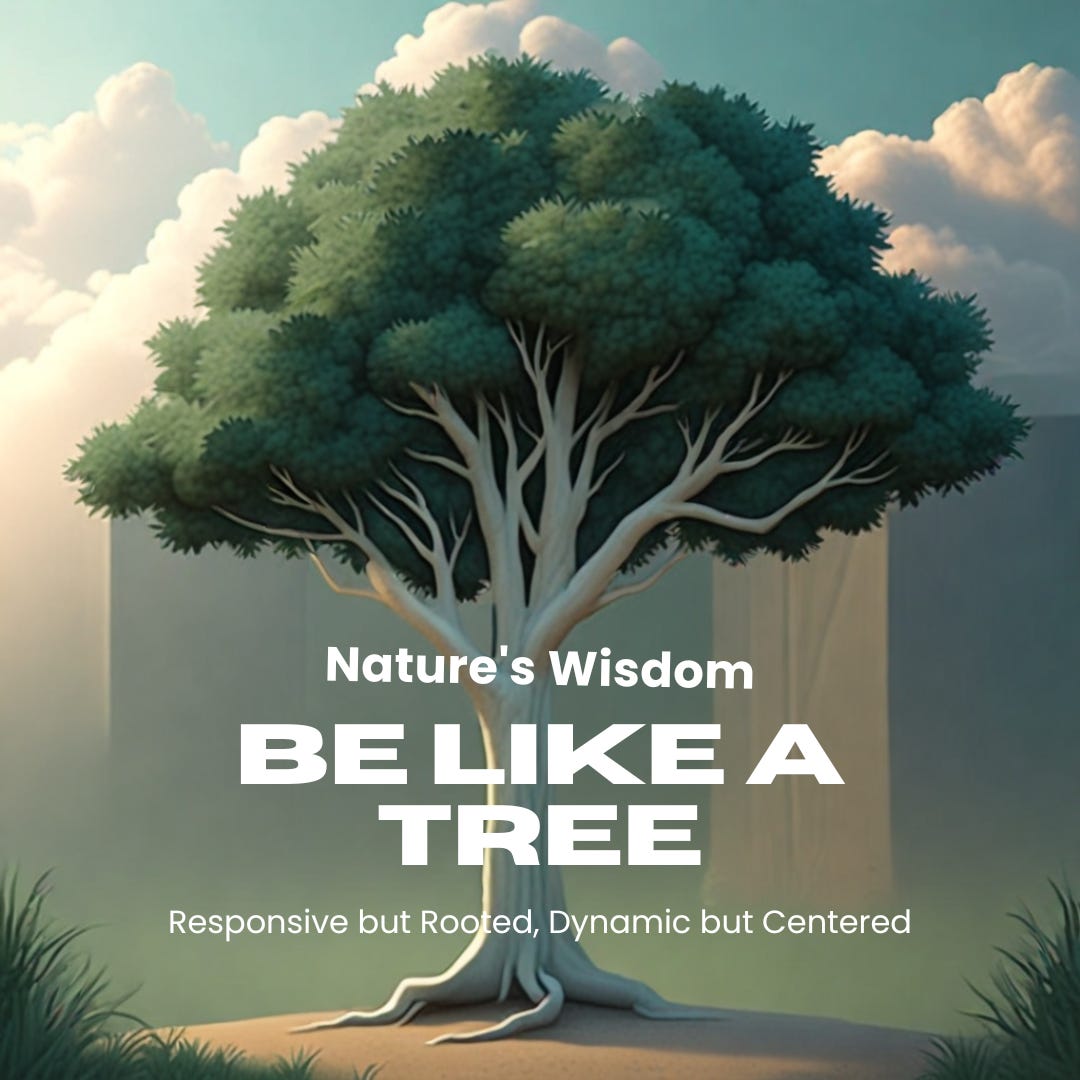
But here's where the tree metaphor deepens: the tree doesn't seek the wind. It simply stands, rooted, and allows the wind to find it. Its branches are structured to catch the currents, to respond rather than chase. The tree maintains its center while dancing at its edges.
Learn More: Performance Psychology Insights
Homeostasis: The Deep Rootedness
Beneath all our chaos-seeking lies homeostasis—the brain's fundamental drive toward balance, toward a dynamic equilibrium that can weather storms without breaking. This isn't the homeostasis of stagnation, but of a living system that knows how to return to center.
Think of the last time you felt truly at peace. Not the peace of exhaustion or avoidance, but the peace of presence—when your mind stopped reaching for the next thing and settled into the fullness of what was already here. In that moment, you weren't chaos-seeking. You were being found by something deeper than stimulation: the quiet intelligence that observes the storms without being swept away by them.
